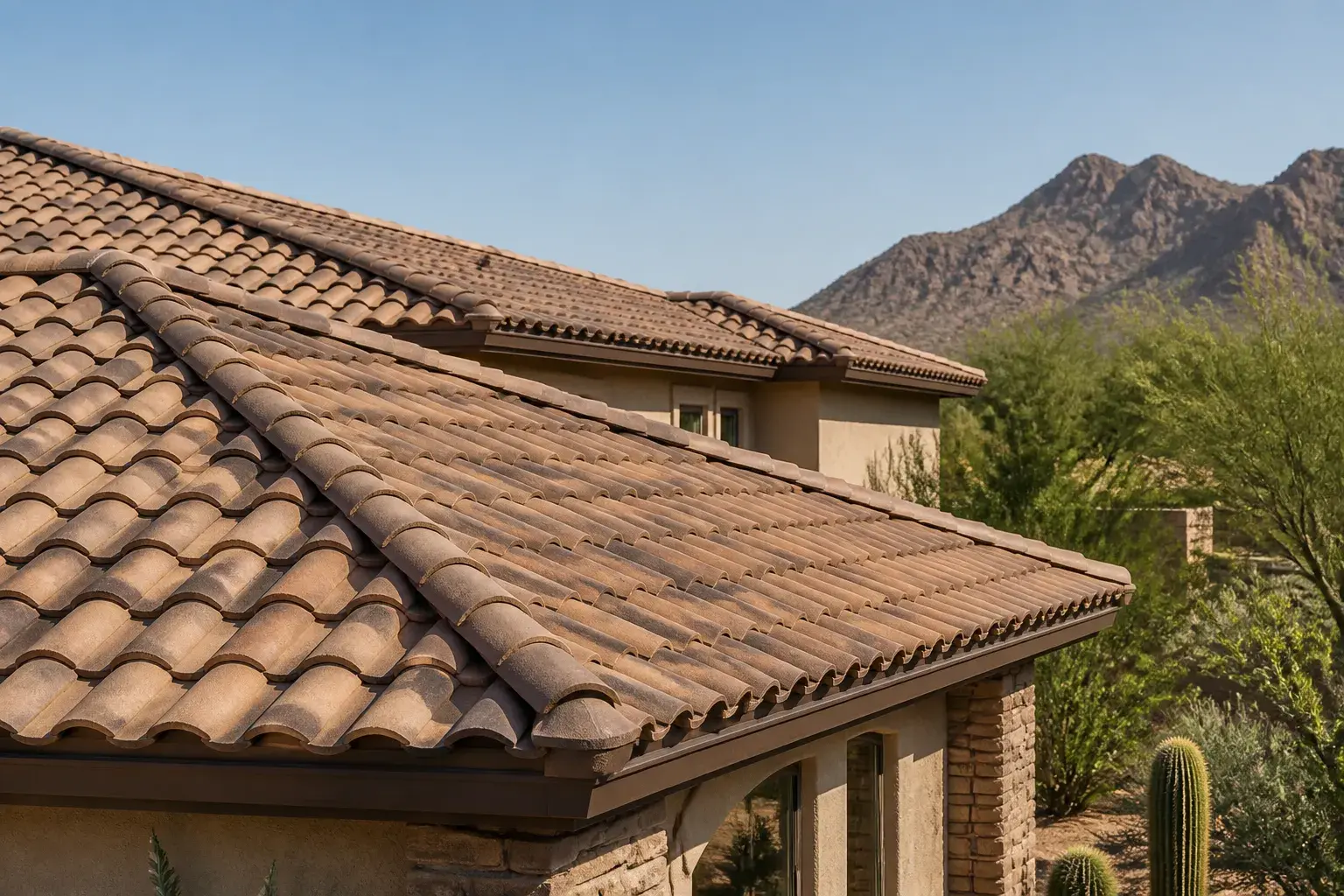
Tile Roofing in Mesa, AZ
Cracked or shifting tile can leave your roof exposed and looking uneven.
A tile roof usually gives you clues before a small issue turns into a bigger one. You may notice a slipped tile, a broken ridge piece, granules or debris in the yard, or a ceiling stain that appears after a storm. Sometimes the signs are subtler: a musty spot in one room, daylight where it should not be, or tiles that sound loose when the wind picks up. If that sounds familiar, Copper Mesa Roofing can take a closer look and help you figure out what is happening before the damage spreads.
Tile roofing protects a home well when each piece is set correctly and the underlayment beneath it is doing its job. When one section shifts, breaks, or ages unevenly, the problem can hide until water finds a path inside. Homeowners in Mesa often call when they see visible tile damage, but the real concern is often what sits under the tiles. We inspect the roof surface, identify what is causing the issue, and recommend the right repair or replacement approach for the condition of the roof.
Tile roof problems
Tile roofs are durable, but they are not maintenance-free. The most common concerns usually start with a few damaged pieces and then spread when moisture enters openings around them.
- Cracked tiles: A crack can let water reach the layers beneath the tile, even when the roof still looks mostly intact.
- Slipped tiles: A tile that has moved out of place can leave a gap that allows rain and debris to enter.
- Broken ridge pieces: Ridge areas are exposed and often show wear sooner than the rest of the roof.
- Soft underlayment: If the underlayment has aged or failed, the tile surface may still look acceptable while leaks continue underneath.
- Loose flashing: Flashing around transitions and roof edges can create a path for water when it separates.
If you have noticed any of these issues, it is smart to address them quickly. A few damaged tiles may be all that needs attention, but repeated leaks or widespread brittleness often mean the roof needs a larger solution.
What we check
Copper Mesa Roofing looks at both the visible surface and the hidden weak points that affect tile performance. That matters because a tile roof can leak for more than one reason.
- Tile condition: We look for cracks, chips, sliding pieces, and uneven areas that suggest movement or age.
- Underlayment signs: We check for symptoms that point to worn material beneath the tiles, since that layer often determines whether repair is enough.
- Flashings and transitions: We inspect the areas where different roof sections meet, because these spots are common sources of leaks.
- Ridge and edge details: We review exposed sections for gaps, loosened materials, and wear that can let water in.
- Visible moisture clues: We note stains, interior marks, and other signs that help trace how water is entering the home.
That process helps us separate cosmetic tile damage from structural roofing issues. A homeowner should know whether a few tiles need to be replaced or whether the roof is signaling a broader failure beneath the surface.
Repair or replacement
Not every tile roof needs the same solution. The right fix depends on the extent of the damage, the age of the roof, and whether the underlayment is still performing well.
When repair makes sense
A repair is often the right answer when the damage is localized. If one area has slipped or a few tiles are cracked, we can focus on restoring that section and sealing related vulnerabilities.
When replacement is the better move
Replacement becomes the practical option when damage is widespread, the roof has repeated leak history, or the underlying layers are too worn to support more patchwork. In that case, replacing the roof can solve ongoing problems that repairs would only delay.
Matching the roof to the home
Tile roofing should fit the structure beneath it. We consider the roof shape, existing materials, and the condition of surrounding components so the solution is not just visually consistent but also sound in use.
If you are unsure which path makes sense, we will explain what we found and what it means in plain language. That way you can choose based on the roof’s condition, not guesswork.
Tile roofing styles
Tile roofs are not all the same, and the look and structure of the roof can affect how problems appear and how they should be handled.
- Clay tile: This style often has a classic appearance and can last a long time when the layers underneath remain in good shape.
- Concrete tile: This option is commonly used and can handle a lot, but it still depends on proper placement and sound underlayment.
- Curved profiles: These roofs create more shadow and texture, and broken pieces can be easier to miss from the ground.
- Flat profiles: These can look clean and orderly, but shifts or gaps may stand out in a straight line across the roof.
No matter the style, tile roofing works best when the parts are aligned correctly and the roofing layers beneath them stay protected. If a tile roof in Mesa starts failing, the visible tile may be only part of the story.
Homeowner warning signs
The sooner a roof issue is found, the fewer surfaces water has to work through. Pay attention to these common warning signs.
- Water spots on ceilings: These stains often mean moisture has already moved past the roofing surface.
- Tile debris in gutters or on the ground: Broken pieces can signal impact, age, or movement.
- Mismatched roof lines: A section that looks uneven may indicate shifting tiles or structural settling beneath them.
- Interior musty odors: Moisture trapped in building materials can create a smell before visible stains appear.
- Loose pieces after wind: If tiles sound or feel shifted after a storm, the roof should be checked.
In Mesa, homeowners sometimes ignore early signs because the roof still looks mostly fine from a distance. That is when tile roofing can be deceptive. A roof can look neat and still have a hidden leak path underneath.
How visits work
When you contact Copper Mesa Roofing for tile roofing help, the goal is to make the next step simple. We listen to what you have noticed, evaluate the roof, and explain what the condition means.
- Listen to concerns: You tell us what you have seen inside or outside the home, including stains, broken pieces, or roof movement.
- Inspect the roof: We look at the tiles, edges, transitions, and other visible problem areas.
- Trace the cause: We identify whether the issue appears to come from a damaged tile, aging layers underneath, or another roofing detail.
- Recommend the next step: We explain whether repair or replacement is the more practical solution based on what the roof needs.
This approach helps homeowners in Mesa make an informed decision without guessing at the source of the problem. It also gives you a clearer picture of what needs attention now and what can wait.
Care after service
Once the roof is repaired or replaced, a few smart habits can help you catch future issues early.
- Watch interior ceilings: A new stain or soft spot can give early notice that something has changed.
- Look from the ground after strong weather: You do not need to climb the roof to notice a broken or shifted tile.
- Keep notes on changes: If you see the same spot appear more than once, that pattern helps identify the source.
- Schedule roof inspections after visible damage: If a branch hits the roof or pieces come loose, a closer look can prevent more trouble later.
These steps are simple, but they help protect the investment you made in your roof. Tile roofing can last a long time when problems are caught early and addressed the right way.
Common questions
How do I know if a tile is only cracked or if the roof is leaking?
A cracked tile does not always mean a leak has started, but it creates a path for water. If you also see stains, damp drywall, or a musty smell, the roof may already be letting moisture through.
Why do tiles move out of place?
Tiles can shift because of age, impact, poor fastening, or movement in the roof system beneath them. Even one displaced piece can expose the layers below it.
Can one damaged tile really cause a problem?
Yes. One damaged tile can be enough to let water reach the underlayment or the sections below it. The longer it stays open, the more likely it is to spread damage.
What if the roof looks fine from the street?
A roof can look clean from the ground while still having hidden trouble. Tile roofing often hides issues in overlaps, edges, and underlayment, so a closer inspection matters.
Do all tile roofs fail the same way?
No. Some roofs develop surface cracks first, while others show trouble at ridges, flashings, or beneath the tiles. The age of the roof and the materials used both affect how problems show up.
Why would a repair not be enough?
If the underlying layers are worn out or the damage covers several areas, patching tiles alone may not solve the issue for long. In that case, replacement can be the more practical long-term answer.
Get help today
If your tile roof is showing signs of wear, Copper Mesa Roofing can help you understand what is happening and what comes next. We work with tile roofing problems across Mesa, Gilbert, Chandler, and Tempe, and we focus on clear answers that match the roof’s condition. Whether you are dealing with a few broken tiles or a roof that is starting to fail in more than one spot, the right next step starts with a careful look at the problem.
How We Work
A Clear Process for Roof Work
Every project starts with a careful look at the roof and a straightforward conversation about what it needs.
Inspect The Roof
We check the surface, trouble spots, and areas that may be contributing to leaks or wear.
Review The Options
You get a simple explanation of what we found and which service fits the issue.
Complete The Work
We finish the project carefully and leave the property clean.
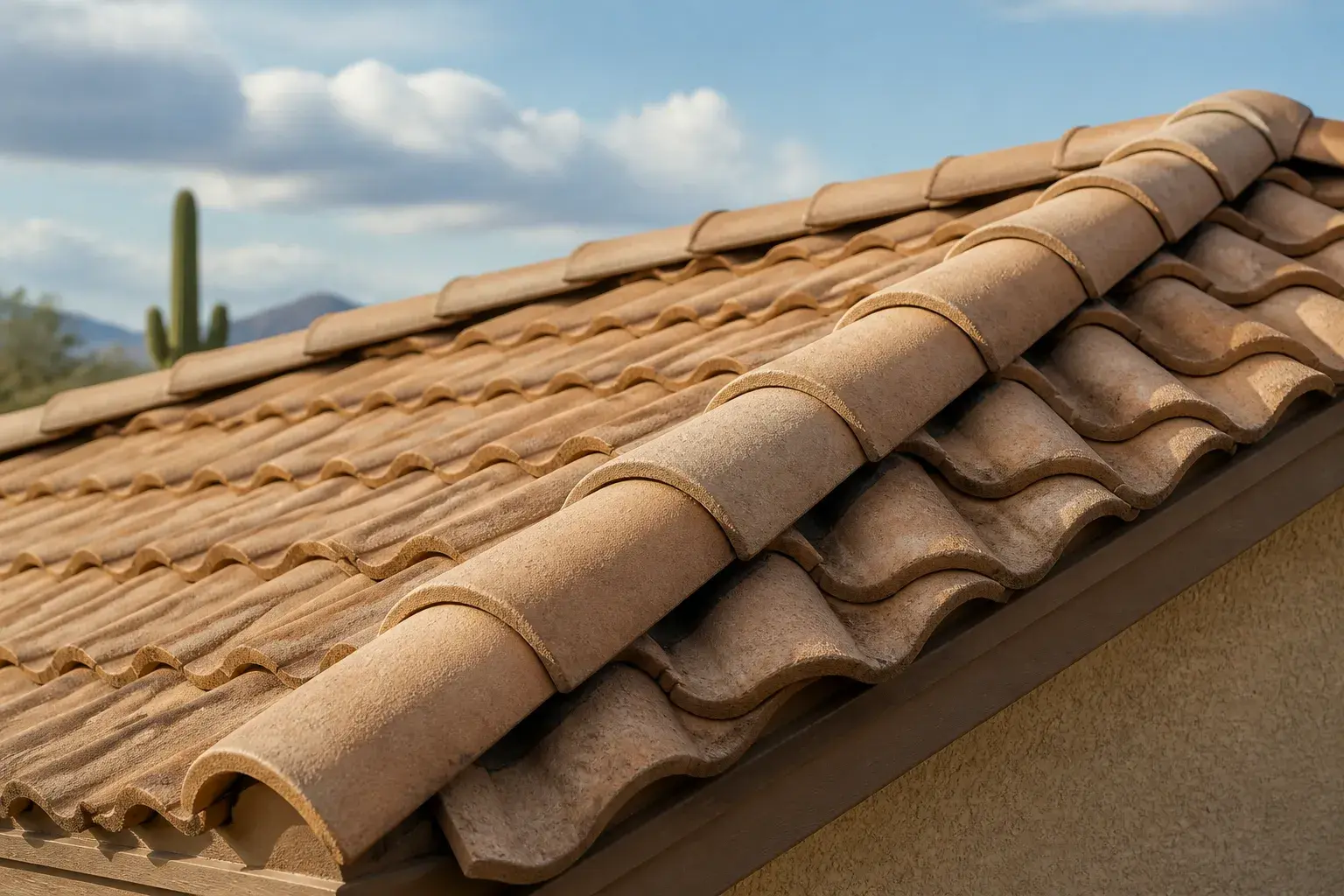
FAQ
Common Roofing Questions
If you have questions about your roof or the best next step, reach out and we will help you sort through it.
How do I know if my roof needs repair or replacement?
An inspection is the best place to start. We look at the roof’s condition and explain which option fits the problem.
Do you work on tile roofs?
Yes, tile roofing is one of our services. We can help assess damage, wear, or areas that need attention.
What happens during a roof inspection?
We examine the roof surface and key trouble spots to see what is going on. Then we share what we found and the next steps.
Can a small leak become a bigger issue?
Yes, even a small leak can spread damage over time. A prompt repair can help keep the problem from growing.
Which areas do you serve?
We serve Mesa, Gilbert, Chandler, and Tempe. If you're nearby, ask about service for your property.
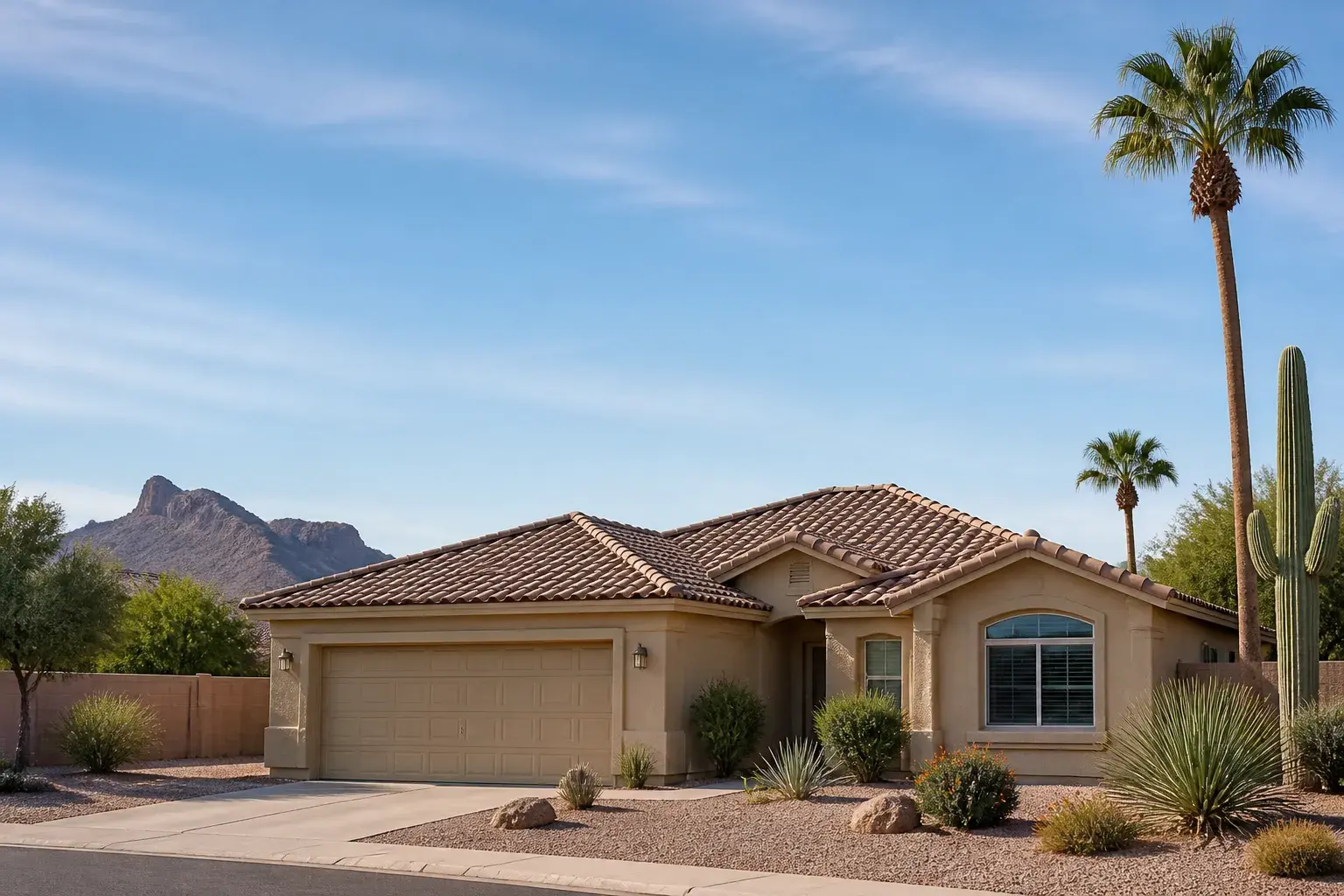
Get started
Talk With a Local Roofing Team
Tell us what is happening with your roof, and we will help you decide on the right next step.