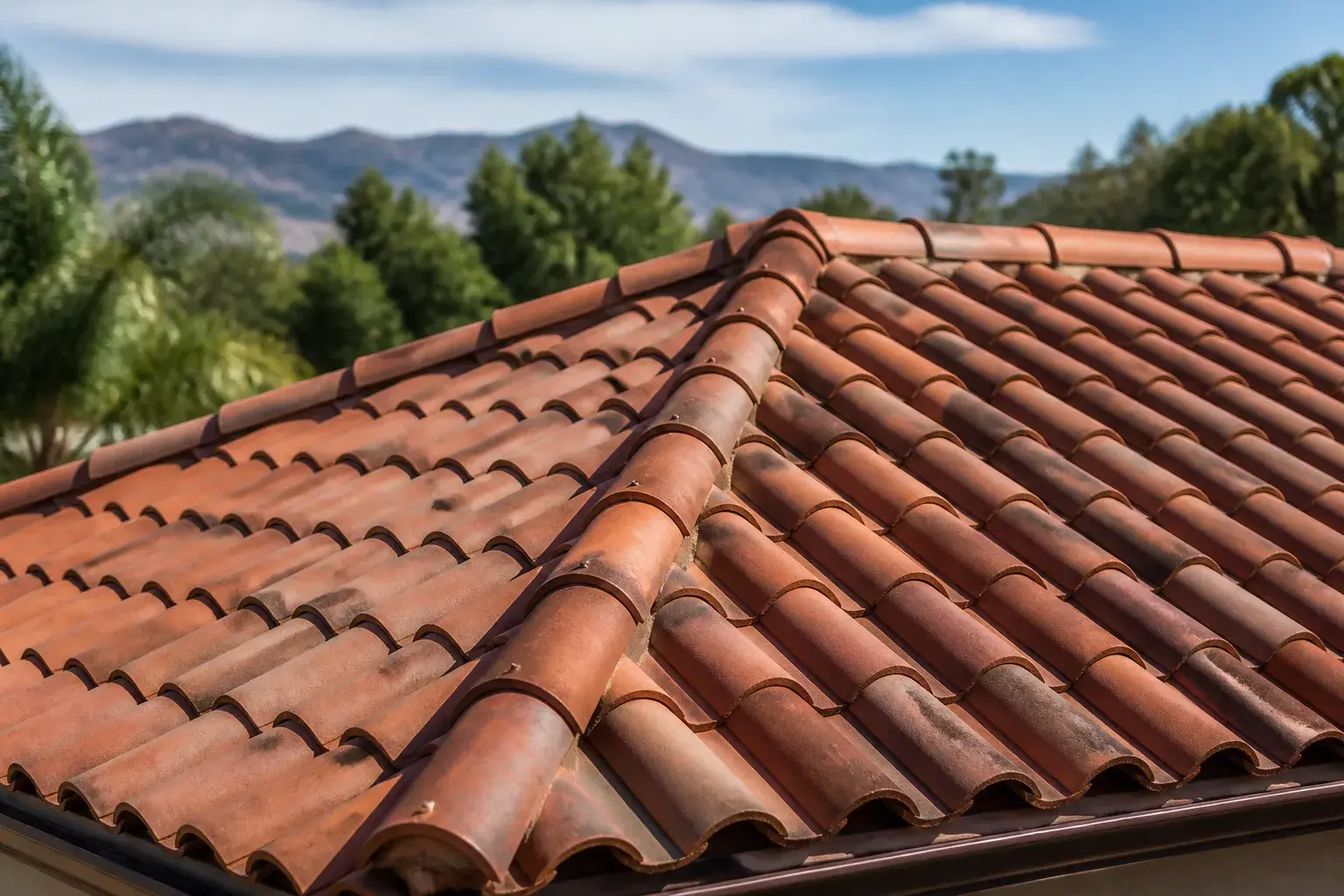
Roof Repair in Mesa, AZ
Leaks, missing shingles, and worn flashing can turn into bigger roof problems fast.
When a roof starts leaking, it rarely starts with a dramatic sign. More often, you notice a faint stain on a ceiling, a drip after a storm, shingles on the ground, or a musty smell in one room that never quite goes away. Sometimes the first clue is more subtle, like a roofline that looks uneven, cracked tile, or flashing that has pulled away from a vent or chimney.
Those small warning signs matter. A minor opening can let water move farther than expected, reaching insulation, drywall, wood framing, and the areas you do not see every day. Copper Mesa Roofing helps homeowners in Mesa get roof repair done before the damage spreads, with repairs focused on the actual problem so the roof can do its job again.
Warning signs
A roof does not always fail all at once. It usually gives a few clues first, and catching them early can make the repair simpler.
- Interior stains: Brown or yellow marks on ceilings or upper walls often point to water getting in from above.
- Loose materials: Shingles, tiles, or bits of roofing material in the yard can mean part of the roof surface has shifted or broken.
- Visible gaps: Cracks, lifted edges, and open seams create pathways for water and should not be ignored.
- Soft spots: Areas that feel spongy underfoot or sag in appearance may indicate deeper damage below the surface.
- Repeated leaks: A leak that returns after a patch often means the original issue was not fully addressed.
If you notice one or more of these symptoms, it is worth having the problem evaluated before it grows.
Common causes
Roof problems usually come from wear, movement, or a single damaged point that lets water in.
- Aging materials: Roofing materials eventually dry out, crack, or loosen, especially along exposed edges and seams.
- Broken tiles or shingles: A single damaged piece can leave the layer underneath exposed and vulnerable to water intrusion.
- Flashing failure: Flashing around vents, walls, skylights, and transitions can separate over time and create leaks.
- Improper seal points: Sealants around penetrations can break down and allow moisture where the roof is most vulnerable.
- Storm-related lifting: Wind and debris can loosen sections of the roof, even if the damage is not obvious from the ground.
Understanding the cause matters because the right repair depends on where the roof is failing, not just where water shows up inside.
How we repair
Copper Mesa Roofing approaches roof repair by tracing the source of the issue and matching the repair to the condition of the roof. The goal is not to cover a symptom and hope for the best. It is to correct the section that has failed and restore the roof surface around it.
1. Find the entry point
Water can travel along framing or under roofing materials before it becomes visible inside. We look for the point where the roof has opened, separated, or worn thin.
2. Assess surrounding damage
A leak often affects more than one spot. We check nearby materials, underlayment, flashing, and adjacent roof areas so the repair addresses the full problem.
3. Repair the affected section
Depending on what we find, we replace damaged materials, reset loose pieces, or repair failing flashing and seals so the roof can close back up properly.
4. Confirm the fix
We make sure the repaired area blends with the surrounding roof and that the issue has been addressed at the source, not just hidden.
This process helps homeowners get a practical repair instead of a temporary patch that leaves the same problem behind.
What we fix
Roof repair can involve a wide range of issues, from isolated damage to repeated leak points. The right repair depends on the roof type and the condition of the surrounding materials.
- Leaks around penetrations: We address problem areas around vents, pipes, and other roof openings where seals can fail.
- Damaged flashing: We repair or replace flashing that has loosened, bent, or separated from the roof surface.
- Broken roofing sections: We replace cracked or missing shingles, tiles, or other damaged sections so the roof is protected again.
- Loose edges: We secure areas that have lifted or shifted and may allow wind-driven water to enter.
- Localized wear: We correct spots where age or repeated exposure has worn the material down more quickly than the rest of the roof.
If the damage is limited, a targeted repair can extend the usable life of the roof without unnecessary work.
Roof types we repair
Different roofing materials fail in different ways, so the repair approach should fit the roof itself. Copper Mesa Roofing works on roofs that need repair, including tile roofing and other common residential roof systems.
Tile roofing
Cracked or displaced tiles can expose the underlayment below them, even when the roof still looks mostly intact from the ground. We repair damaged sections carefully so the roof surface remains secure and consistent.
Shingle roofing
Missing, curled, or lifted shingles can create direct paths for water. We address the affected area and replace the compromised materials so the roof surface is closed back up.
Homeowners in Mesa often notice roof issues first at changes in slope, roof edges, or around roof penetrations, which is why those areas deserve close attention during repair.
When to act
Waiting too long can turn a manageable repair into a broader problem. Water does not stay in one spot, and the signs inside the home are often later than the damage on the roof.
- After visible damage: If you see missing material, broken tile, or lifted flashing, the roof should be checked before the next rainfall.
- After interior staining: A stain on the ceiling usually means water has already reached the inside layers of the home.
- After repeated patching: If the same spot keeps leaking, the original source likely needs a more careful repair.
- When the roof looks uneven: A changed roofline, sagging area, or obvious dip can signal a deeper issue.
- Before small issues spread: A minor opening can become a much larger section of damaged roofing if it is left alone.
The sooner the problem is corrected, the more likely the repair can stay focused and contained.
What to expect
A roof repair visit should feel straightforward. You should know what issue is being addressed, what section of the roof is involved, and what the repair is intended to solve.
During the visit
We look over the affected area, review the visible symptoms, and inspect the surrounding sections that may also have been impacted. That helps us determine whether the issue is limited to one place or tied to a larger section of the roof.
After the repair
You should have a clearer understanding of what caused the problem and what was done to correct it. The repaired area should be integrated into the roof in a way that makes sense for the material and the surrounding sections.
For homeowners
It helps to keep an eye on the repaired area after weather changes and to note any new staining, drips, or visible movement. If something changes, catching it early makes the next step easier.
Serving nearby areas
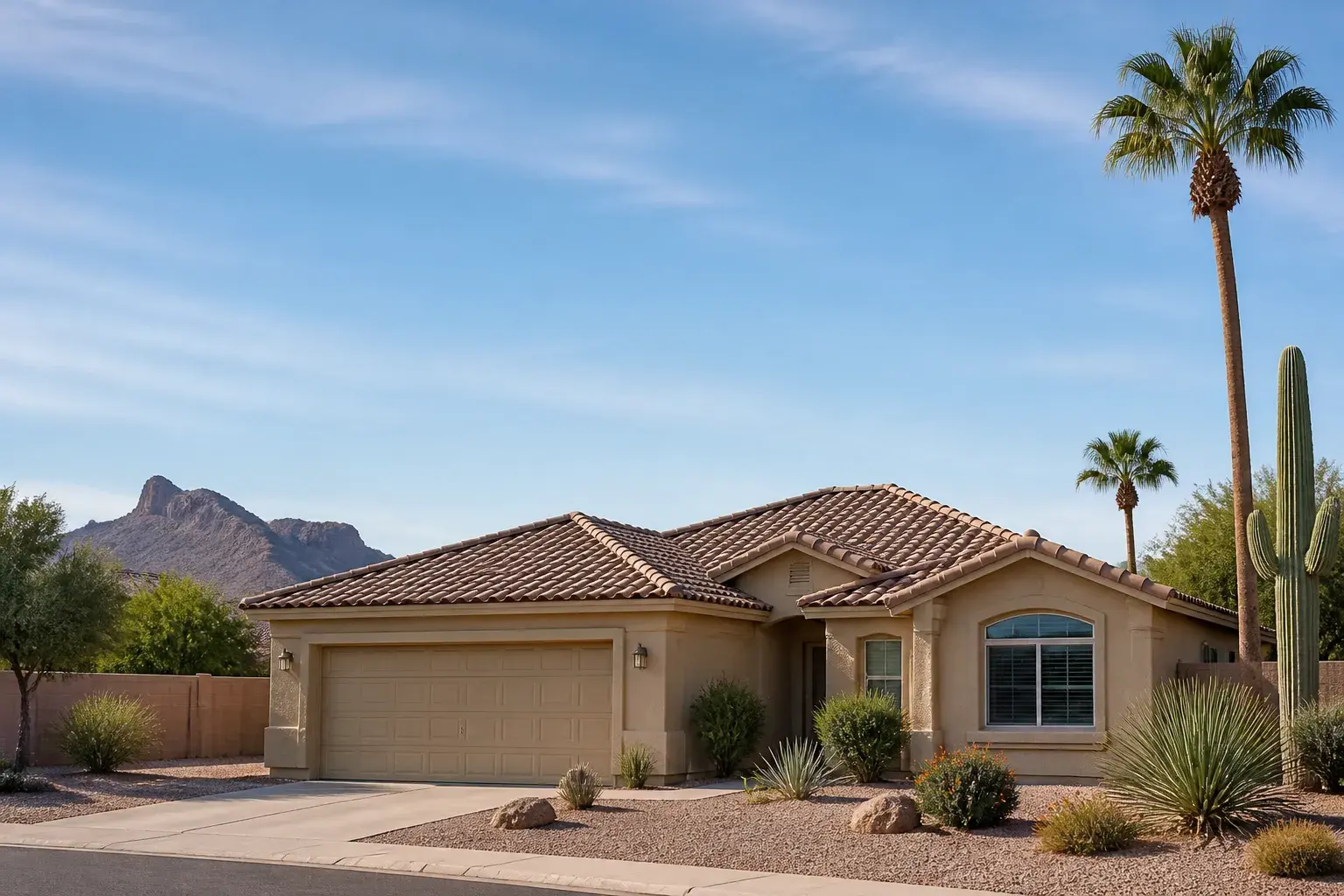
Copper Mesa Roofing provides roof repair for homeowners in Mesa and nearby communities, including Gilbert, Chandler, and Tempe. The goal is the same in every case: identify the source of the roof issue and restore the damaged section with care.
A roof repair should solve the problem you can see and the one causing it underneath. That is especially important when the issue is near flashing, seams, or roof transitions, where small failures can lead to bigger ones if left alone.
Common questions
How do I know if a roof issue is minor?
If the sign is limited to one area, such as a small stain, a single missing tile, or one damaged flashing point, the issue may be localized, but it still needs attention.
Can a roof leak come from a place away from the stain?
Yes. Water often moves along the roof structure before it becomes visible inside, so the visible stain may be several feet from the actual opening.
Why does a repair need to include surrounding areas?
Because a damaged section often affects nearby materials. Repairing only the obvious spot can leave the root cause untouched.
What should I watch for after the repair?
Keep an eye on the repaired area for new stains, drips, lifted materials, or changes after rain so you can spot anything unusual early.
Do small cracks in tile or roofing material matter?
Yes. Even small cracks can let moisture in and may expose layers underneath that are meant to stay dry.
How can I prepare for a roof repair visit?
Clear access to the home if possible, note where you have seen signs of a problem, and mention any recent changes such as stains, drips, or visible roof damage.
Get started
If you are seeing signs of roof trouble, Copper Mesa Roofing can help you address the issue before it becomes harder to manage. Roof repair is most effective when it targets the source of the problem early, while the damaged area is still contained. For homeowners in Mesa, that can make a real difference in how much of the roof needs attention and how quickly the issue can be put behind you.
How We Work
A Clear Process for Roof Work
Every project starts with a careful look at the roof and a straightforward conversation about what it needs.
Inspect The Roof
We check the surface, trouble spots, and areas that may be contributing to leaks or wear.
Review The Options
You get a simple explanation of what we found and which service fits the issue.
Complete The Work
We finish the project carefully and leave the property clean.
FAQ
Common Roofing Questions
If you have questions about your roof or the best next step, reach out and we will help you sort through it.
How do I know if my roof needs repair or replacement?
An inspection is the best place to start. We look at the roof’s condition and explain which option fits the problem.
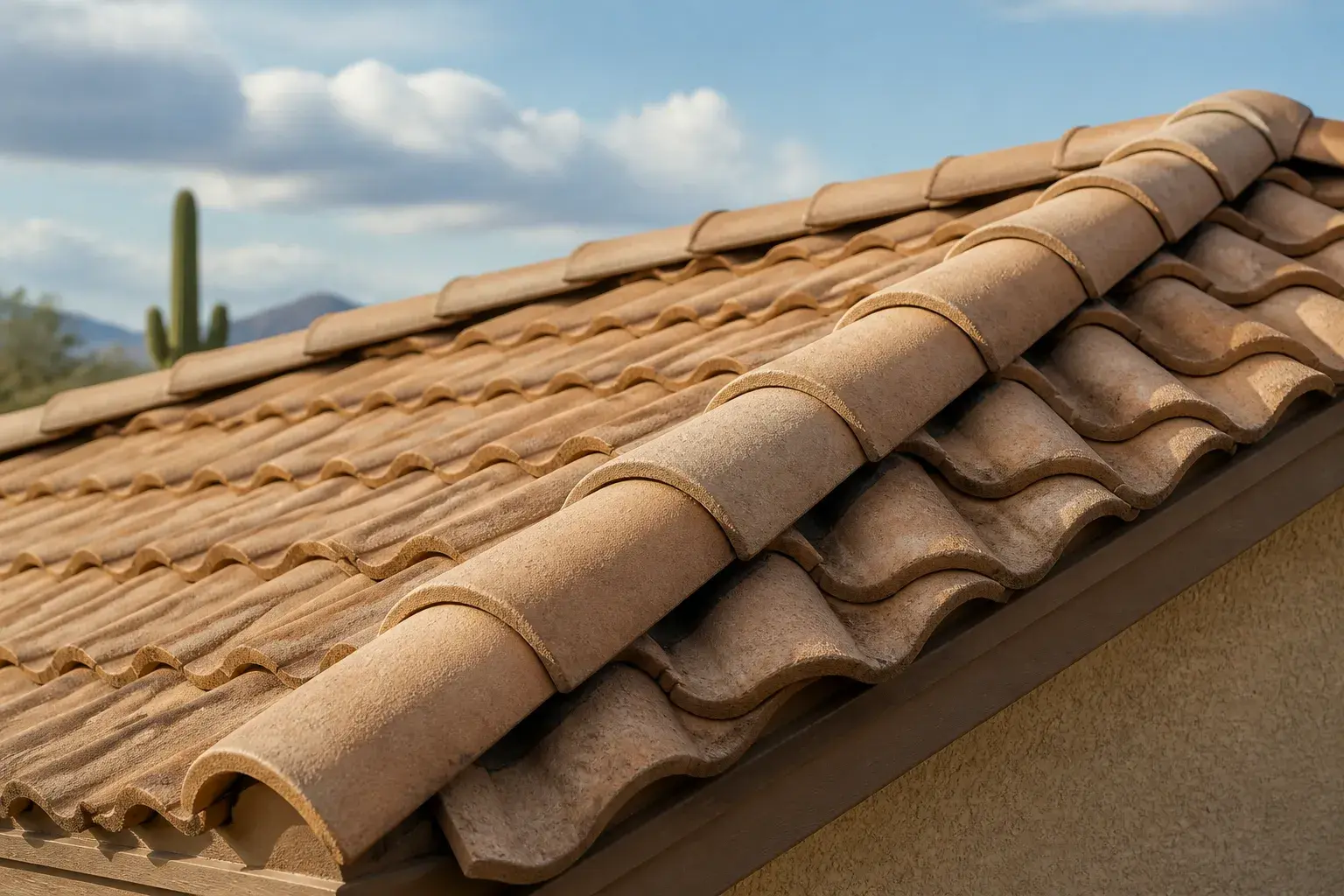
Do you work on tile roofs?
Yes, tile roofing is one of our services. We can help assess damage, wear, or areas that need attention.
What happens during a roof inspection?
We examine the roof surface and key trouble spots to see what is going on. Then we share what we found and the next steps.
Can a small leak become a bigger issue?
Yes, even a small leak can spread damage over time. A prompt repair can help keep the problem from growing.
Which areas do you serve?
We serve Mesa, Gilbert, Chandler, and Tempe. If you're nearby, ask about service for your property.
Get started
Talk With a Local Roofing Team
Tell us what is happening with your roof, and we will help you decide on the right next step.