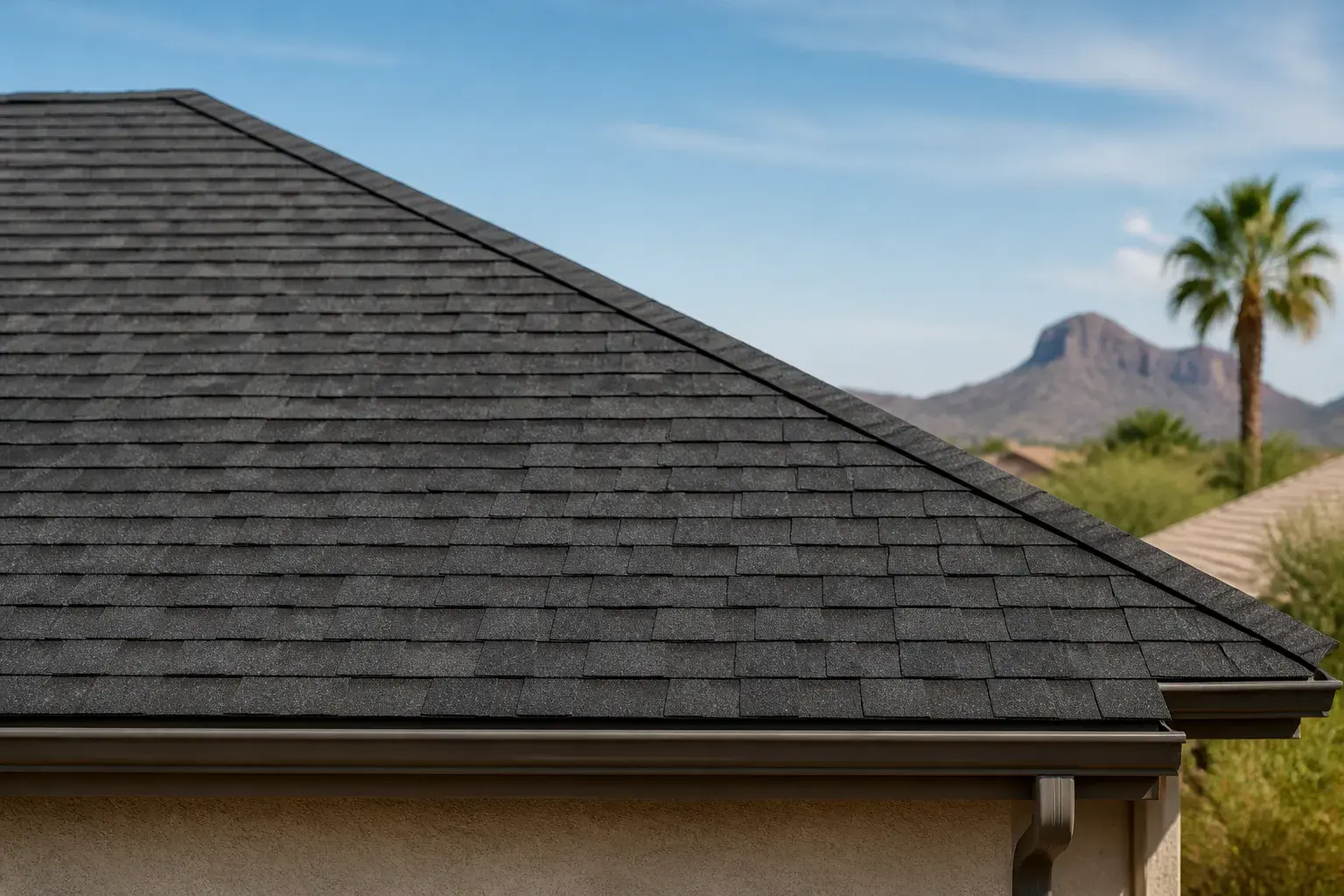
Roof Replacement in Mesa, AZ
An aging roof can stop performing and start costing more with every season.
If you are seeing repeated leaks, curling shingles, broken tile, or dark stains on ceilings, the roof may be past the point where patching makes sense. A roof that keeps shedding pieces, letting in water, or sagging in spots can create a steady cycle of small repairs that never fully solve the problem. When that happens, the next step is to get a clear replacement plan before more damage spreads through the structure below.
Copper Mesa Roofing helps homeowners compare the condition of the roof, the visible wear, and the pattern of trouble that keeps returning. We look at the roof as a whole, explain what is happening in plain language, and help you decide whether replacement is the right move. If your home in Mesa is showing several signs at once, a new roof can restore reliable protection and end the constant uncertainty.
Warning signs
A roof does not usually fail all at once. It sends signals first, and those signals tend to become harder to ignore over time. Homeowners often notice one issue, then another, and then realize the roof has been asking for attention for a while.
- Repeated leaks: If water keeps showing up in the same areas after repairs, the problem may be broader than a single damaged section.
- Visible aging: Curling shingles, worn tile, cracked surfaces, or bald spots are all signs the roof has lost useful life.
- Interior staining: Brown marks on ceilings or walls often mean water is moving past the outer roofing layers.
- Soft or uneven areas: A roof that feels spongy or looks uneven may have underlying damage that cannot be fixed from the surface alone.
- Loose or missing materials: Pieces that break off or move out of place can leave open paths for water intrusion.
When several of these signs appear together, a replacement conversation is usually more useful than another short-term repair.
Common causes
Roof replacement is often the result of gradual wear rather than one dramatic event. Some roofs struggle because the materials have simply worn out. Others fail faster because small issues were left alone too long. Understanding the cause helps you make a smarter decision about what should happen next.
- Material breakdown: Shingles can dry out, lose granules, or curl, while tile can crack or shift after years of exposure.
- Underlayment failure: Even if the outer surface still looks partly intact, the layers underneath may no longer be doing their job.
- Ongoing patching: A roof that has been repaired many times may have too many weak points left to remain dependable.
- Moisture intrusion: Water can weaken decking and other concealed parts, which makes a simple surface fix less effective.
- Poor fit between old and new repairs: Mixed repairs can sometimes leave a roof with uneven performance and recurring trouble.
In Mesa, homeowners often want a clear answer about whether another repair is worth it. The most useful answer depends on the roof’s age, the amount of visible wear, and how widely the damage has spread.
Our replacement process
Copper Mesa Roofing keeps the process direct so you know what is happening and why. We do not want homeowners guessing about the condition of their roof or the next step.
1. Roof evaluation
We start by looking at the visible roof condition, problem areas, and signs of deeper wear. This helps us determine whether the damage is limited or widespread.
2. Clear replacement recommendation
If replacement makes more sense than repair, we explain what led to that conclusion. You should know which symptoms matter and what changes the new roof needs to address.
3. Material planning
We help you review replacement options that fit the home and the existing roof style. For some homes, that means tile roofing. For others, a different replacement path is the better fit.
4. Removal and installation
The old roofing materials are removed, the necessary underlying work is completed, and the new roof is installed with attention to the full roof surface, not just the obvious trouble spots.
5. Final review
Once the work is finished, we look over the finished roof so you can see the result and understand how the new system is set up to protect the home.
Material choices
Roof replacement is not just about removing the old surface and putting on the same thing again. The right replacement should fit the home’s structure, appearance, and practical needs.
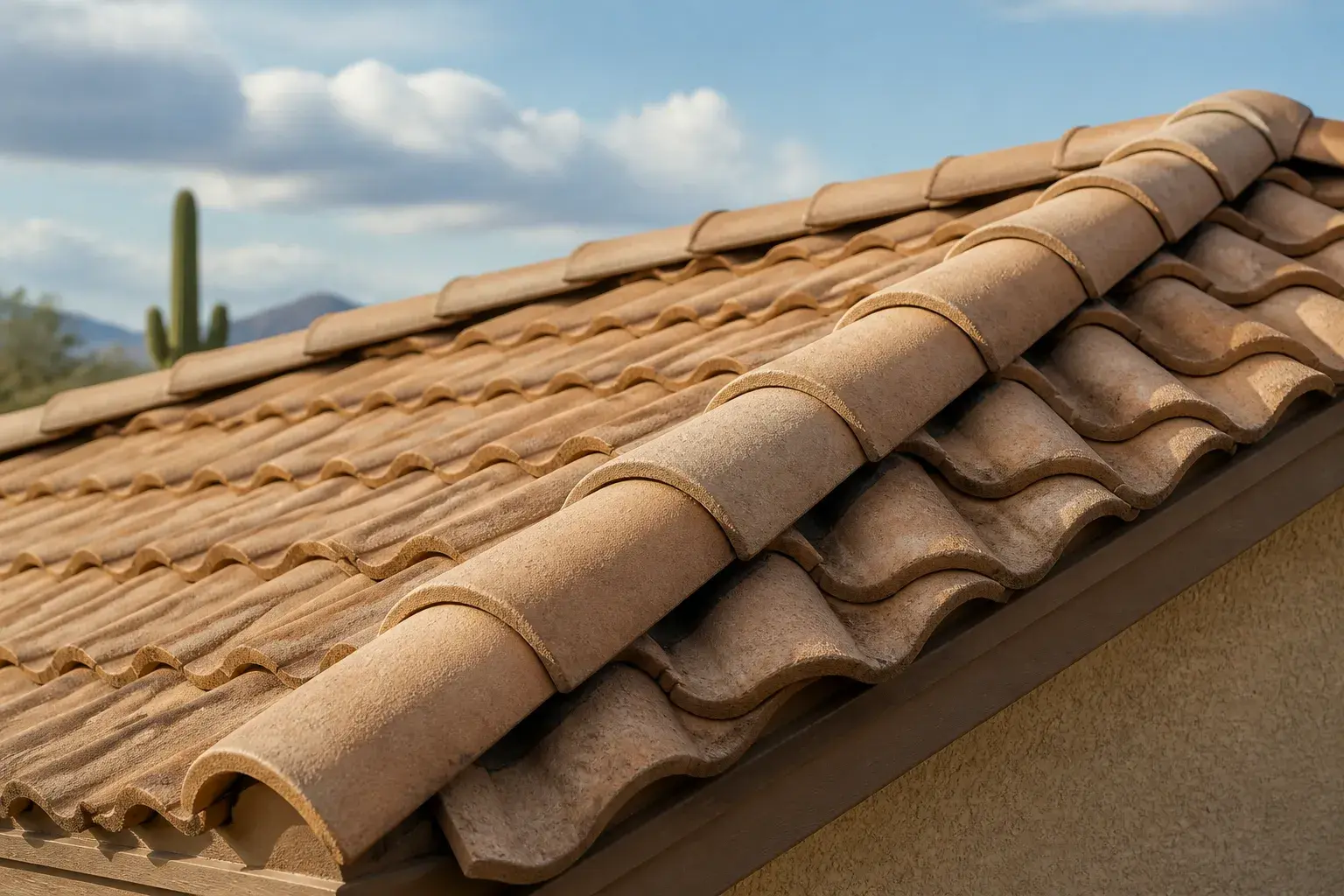
- Tile roofing: Tile is a strong option for homes that already use tile or want a durable, distinctive look.
- Shingle replacement: For homes with shingle roofs, a replacement can refresh the appearance and restore dependable coverage.
- Decking repair where needed: If the underlying surface has been damaged, it should be corrected before the new roof goes on.
- Underlayment update: Replacing worn hidden layers helps support the roof above them and reduce future trouble.
A good replacement plan looks beyond what is visible from the street. That is especially important when the roof has already shown signs of repeated water entry or surface failure.
When repair is not enough
There is a point where patching becomes a short delay instead of a real solution. Many homeowners try repairs first because they seem simpler, but the same issue often returns when the roof has too many weak spots.
Consider replacement when:
- The same leak keeps coming back in a different form.
- Multiple sections show age or damage at the same time.
- Repairs are starting to feel frequent instead of occasional.
- The roof surface looks worn across large areas, not just one spot.
- Interior staining or moisture signs are spreading rather than staying contained.
A full replacement can stop the cycle of repeat repairs and give the home a fresh protective layer instead of another temporary fix.
What homeowners notice
A roof replacement changes more than the roof itself. Homeowners usually notice practical differences right away, especially when the old roof had become a recurring headache.
- Less uncertainty: You no longer have to wonder which stain, drip, or loose section will show up next.
- Cleaner appearance: A new roof gives the home a more uniform look from every angle.
- More dependable protection: Replacing worn materials removes many of the failure points that were causing trouble.
- Better planning: Instead of spreading out a long series of repairs, you deal with one organized project.
For many homeowners in Mesa, that sense of closure matters just as much as the finished look. The roof stops being a source of constant concern and becomes one less thing to think about.
Why homeowners call us
Roof replacement is a significant project, and most people want straight answers before they move forward. Copper Mesa Roofing handles these projects with a focus on clarity, practical recommendations, and a finished result that matches the home’s needs.
We take the time to explain what is failing, what can and cannot be repaired, and what a replacement will accomplish. That matters whether you are dealing with visible damage, repeated leaks, or an old roof that is reaching the end of its usable life. Our work is meant to solve the problem at its source, not just cover up the symptoms for a little while.
If you live in Mesa, Gilbert, Chandler, or Tempe and think your roof may be ready for replacement, it is worth getting the condition checked before the next storm or the next interior stain tells the story for you.
Common questions
How do I know if I need replacement instead of repair?
If damage is widespread, leaks keep returning, or several parts of the roof are worn at once, replacement is often the more practical choice.
Can a roof look fine from the ground and still need replacement?
Yes. Some of the most important warning signs show up in hidden layers, at failed seams, or in places you cannot see from below.
What if only one side of the roof looks bad?
A roof should be evaluated as a whole. One damaged area can point to larger wear patterns or hidden issues elsewhere.
Is roof replacement useful after repeated patching?
It can be. If repairs are becoming frequent and short-lived, replacement may be the better way to end the cycle.
Does the type of roofing material matter?
Yes. Tile roofing, shingles, and other materials age differently, so the replacement plan should match the roof’s construction and condition.
How should I prepare before work begins?
Clear access around the home where possible and remove items near walls or ceilings that could be affected by vibration or dust during the project.
How We Work
A Clear Process for Roof Work
Every project starts with a careful look at the roof and a straightforward conversation about what it needs.
Inspect The Roof
We check the surface, trouble spots, and areas that may be contributing to leaks or wear.
Review The Options
You get a simple explanation of what we found and which service fits the issue.
Complete The Work
We finish the project carefully and leave the property clean.
FAQ
Common Roofing Questions
If you have questions about your roof or the best next step, reach out and we will help you sort through it.
How do I know if my roof needs repair or replacement?
An inspection is the best place to start. We look at the roof’s condition and explain which option fits the problem.
Do you work on tile roofs?
Yes, tile roofing is one of our services. We can help assess damage, wear, or areas that need attention.
What happens during a roof inspection?
We examine the roof surface and key trouble spots to see what is going on. Then we share what we found and the next steps.
Can a small leak become a bigger issue?
Yes, even a small leak can spread damage over time. A prompt repair can help keep the problem from growing.
Which areas do you serve?
We serve Mesa, Gilbert, Chandler, and Tempe. If you're nearby, ask about service for your property.
Get started
Talk With a Local Roofing Team
Tell us what is happening with your roof, and we will help you decide on the right next step.