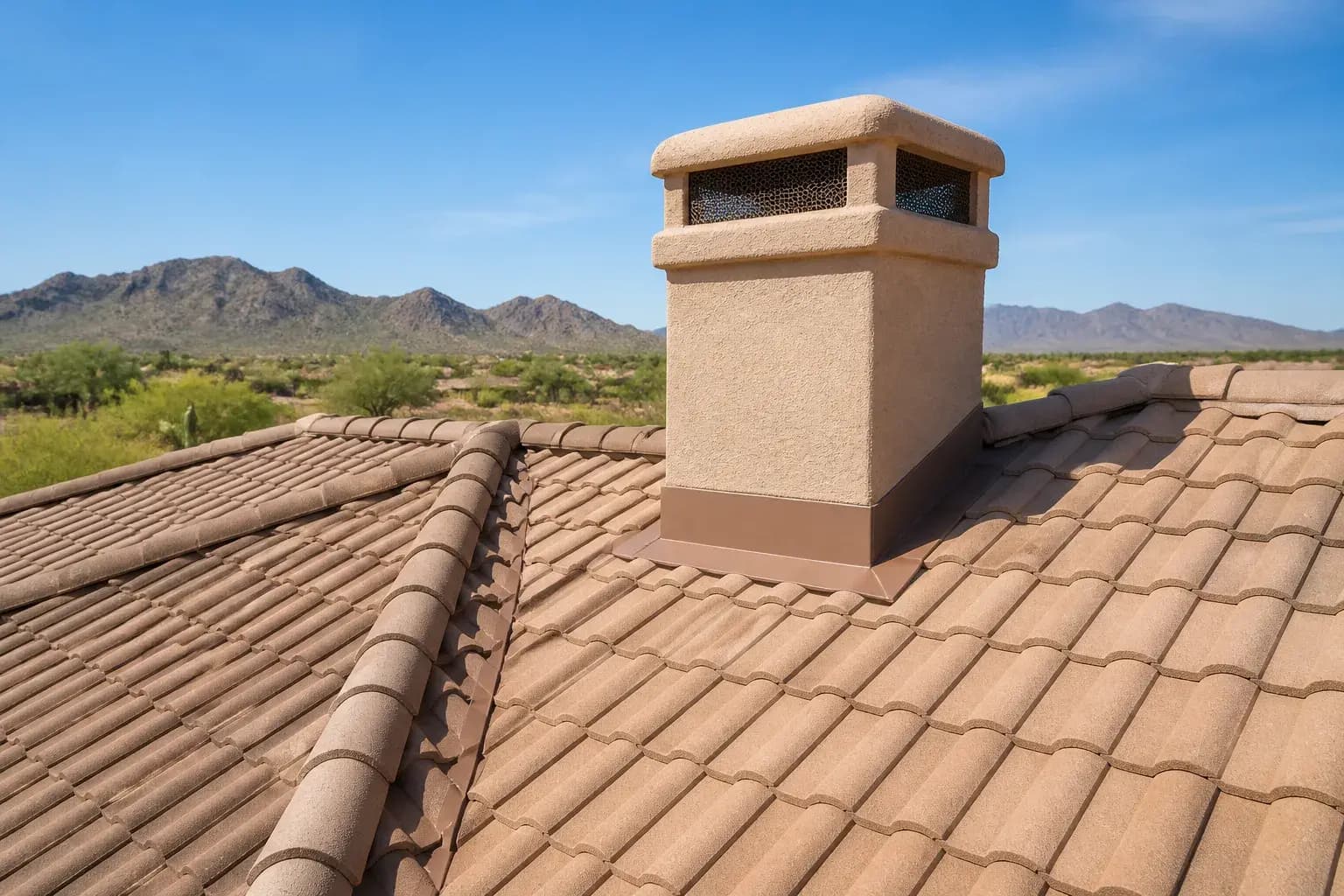
Roof Inspections in Mesa, AZ
Unclear roof conditions make it hard to know what should be repaired next.
A roof can look fine from the ground and still hide loose tile, lifted flashing, or small leaks that have already started to spread. If you have noticed a stain on the ceiling, granules in the gutter, cracked tiles, or a shingle edge that does not sit flat, the next step is a careful inspection before the damage grows.
Copper Mesa Roofing provides roof inspections for homeowners who want clear answers, not guesswork. We look at the places that usually fail first, explain what we find in plain language, and help you understand whether the roof is holding up or needs repair. If you want a better picture of your roof’s condition in Mesa, we can take a close look and tell you what matters most.
Warning signs
Some roof problems are obvious, but many start with small clues that are easy to overlook. A good inspection is often the difference between catching a simple repair and dealing with wider damage later.
- Ceiling spots: Water marks on ceilings or walls often point to an opening somewhere above, even when the leak is not active every day.
- Loose material: Shingles, tiles, or ridge pieces that shift out of place can leave exposed areas vulnerable to water entry.
- Debris in gutters: Excess granules, tile fragments, or roofing bits in drainage areas can signal wear that deserves a closer look.
- Warped lines: A roofline that looks uneven may indicate deck movement, underlayment issues, or materials that are no longer staying secure.
- Interior odors: A persistent musty smell indoors can be a sign that moisture has entered and has not fully dried out.
When you notice one or more of these signs, it is smart to get the roof checked before the issue spreads into insulation, framing, or interior finishes.
What we inspect
A roof inspection should cover more than a quick glance at the surface. We look at the areas that are most likely to fail, leak, or show wear first, then connect those findings to the condition of the roof as a whole.
Surface condition
We check for cracked, curled, missing, or slipped materials, along with wear patterns that suggest age or repeated stress. On tile roofs, that can mean checking for broken pieces, displaced tiles, and areas where the surface no longer sits evenly.
Flashing and edges
Flashing around penetrations, edges, and transitions is a common place for leaks to begin. We examine these details carefully because even a small gap can allow water to move where it should not.
Drainage paths
Water needs clear paths off the roof. We look for areas where debris, sagging, or improper slopes may trap water and create slow damage over time.
Interior indicators
Where possible, we also consider the signs the home is giving from the inside, including stains, peeling paint, and moisture-related changes that can help point to the source of a roof problem.
How visits work
A roof inspection should feel straightforward. You should know what is being checked, what was found, and what should happen next.
- Initial look: We start by reviewing the visible condition of the roof and looking for symptoms that stand out from the ground or accessible areas.
- Close inspection: We check the surface, edges, flashing, penetrations, and other vulnerable spots where problems often start.
- Condition review: We compare what we see to normal wear and to signs that suggest active damage or developing concerns.
- Clear findings: We explain the condition in practical terms so you can understand whether the roof needs repair, replacement planning, or a follow-up check after specific work.
The goal is not to overwhelm you with jargon. It is to give you usable information so you can make the next decision with confidence.
Common causes
Many roof issues begin with everyday wear rather than one dramatic event. Understanding the common causes can help you decide when an inspection is worth scheduling.
- Aging materials: Roofing materials naturally wear down over time, and that wear often shows up first in small openings, brittle sections, or loose edges.
- Impact damage: Falling debris or impact from outside can crack or shift roofing components without creating an obvious hole.
- Seal failure: Sealants and other closing points can dry out or separate, allowing water to move into places it should not.
- Movement: Roof surfaces expand, contract, and shift, which can loosen key details over time.
- Previous repairs: Work that was done years ago may begin to fail if the surrounding materials have aged or if the original issue was not fully addressed.
In Mesa, homeowners often want an inspection before they commit to a repair decision, after a visible change appears, or when they are trying to understand whether the roof can still do its job reliably. We can help sort out whether the issue is isolated or part of a broader pattern.
Roof types we check
Different roof materials show problems in different ways, so the inspection should match the roof on the home.
Shingle roofs
We look for lifted edges, missing pieces, surface wear, and signs that water may be getting past the outer layer.
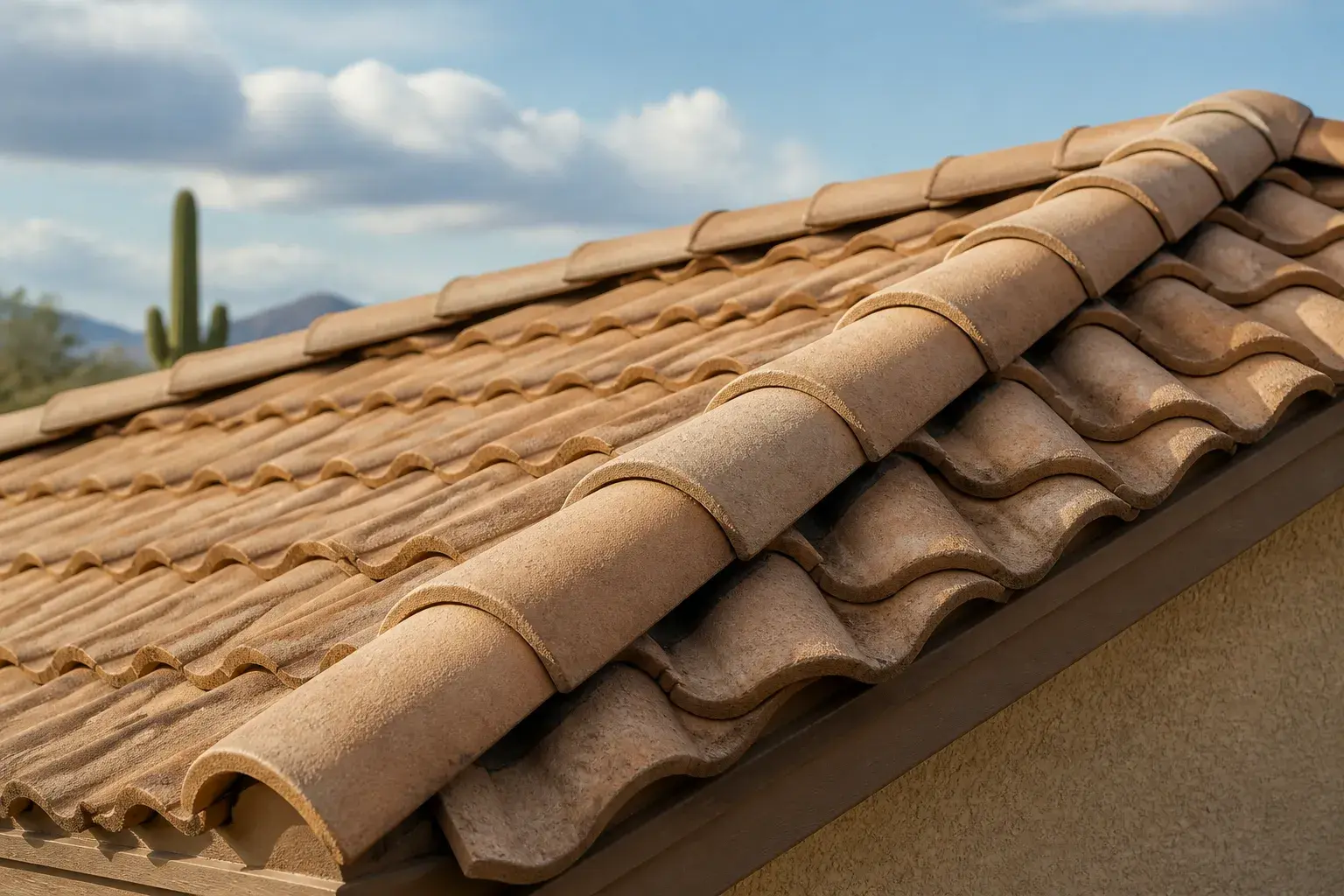
Tile roofs
We inspect broken or slipped tiles, vulnerable edges, and areas where the underlayment may be exposed or aging beneath the tile surface.
Roof transitions
We pay attention to valleys, vents, edges, and intersections where different roof sections meet, because those spots often need the most attention during an inspection.
Copper Mesa Roofing handles inspections with the roof type in mind, so the findings make sense for the material you actually have rather than a generic checklist.
What happens after
A roof inspection should leave you with a clearer plan, not more uncertainty. Once the inspection is complete, we walk through what was found and what it means for the home.
- Minor wear: Some findings can be monitored or addressed before they spread.
- Active leaks: If water has already entered, we identify the likely path and the areas that need attention first.
- Widespread deterioration: When the roof shows broader wear, the findings can help you decide whether repair work or replacement planning makes more sense.
- Follow-up work: If you need roof repair, roof replacement, or tile roofing service, the inspection gives a more accurate starting point.
A clear inspection can save time because it points you toward the real issue instead of the symptom you happened to notice first.
Common questions
How often should a roof be inspected?
A roof should be checked whenever you notice a change in condition, after visible wear appears, or before a small concern has time to grow. Some homeowners also prefer an inspection when they want a general condition check before making roof decisions.
What if I only see one stain?
Even one stain can matter, because the leak source is not always directly above the spot you see indoors. An inspection helps trace the likely entry point and determine whether the issue is isolated or part of a larger problem.
Can an inspection help with a roof that still looks fine?
Yes, because many problems begin below the surface or at small details that are easy to miss from the ground. A roof can appear sound while still having vulnerable points that deserve attention.
Do tile roofs need a different inspection approach?
They do, because tile roofs can hide issues beneath the visible surface. Broken tiles, shifted sections, and underlayment concerns all need to be considered during the inspection.
What should I do before the inspection?
You usually do not need to prepare much. It helps to note any stains, drips, recent changes, or areas you have noticed from inside the home so we know where to focus first.
Will I get a clear explanation of the findings?
Yes. We aim to explain what is happening in plain language so you know which issues are urgent, which are manageable, and what your next step should be.
If you are unsure about the condition of your roof, a focused inspection is the simplest way to get answers. Copper Mesa Roofing serves homeowners in Mesa, Gilbert, Chandler, and Tempe with roof inspections that are practical, detailed, and centered on the issues that matter most.
How We Work
A Clear Process for Roof Work
Every project starts with a careful look at the roof and a straightforward conversation about what it needs.
Inspect The Roof
We check the surface, trouble spots, and areas that may be contributing to leaks or wear.
Review The Options
You get a simple explanation of what we found and which service fits the issue.
Complete The Work
We finish the project carefully and leave the property clean.
FAQ
Common Roofing Questions
If you have questions about your roof or the best next step, reach out and we will help you sort through it.
How do I know if my roof needs repair or replacement?
An inspection is the best place to start. We look at the roof’s condition and explain which option fits the problem.
Do you work on tile roofs?
Yes, tile roofing is one of our services. We can help assess damage, wear, or areas that need attention.
What happens during a roof inspection?
We examine the roof surface and key trouble spots to see what is going on. Then we share what we found and the next steps.
Can a small leak become a bigger issue?
Yes, even a small leak can spread damage over time. A prompt repair can help keep the problem from growing.
Which areas do you serve?
We serve Mesa, Gilbert, Chandler, and Tempe. If you're nearby, ask about service for your property.
Get started
Talk With a Local Roofing Team
Tell us what is happening with your roof, and we will help you decide on the right next step.